

Underfloor heating has long been associated with luxury and complex installation processes. However, advancements in technology have introduced systems like PTC (Positive Temperature Coefficient) underfloor heating, which offer efficient heating solutions with straightforward installation. This article explores how PTC underfloor heating systems provide quick setup with minimal effort, making them an ideal choice for modern homes.
What is PTC Underfloor Heating?
PTC underfloor heating utilizes special heating foils that self-regulate their temperature. As the temperature increases, the resistance within the PTC material rises, reducing the electrical current and preventing overheating. This self-regulating feature ensures energy efficiency and consistent warmth throughout the space.


Simplified Installation Process
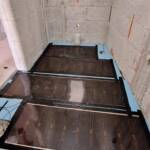
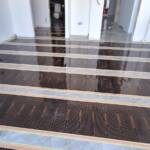
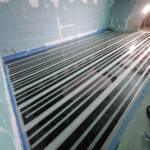
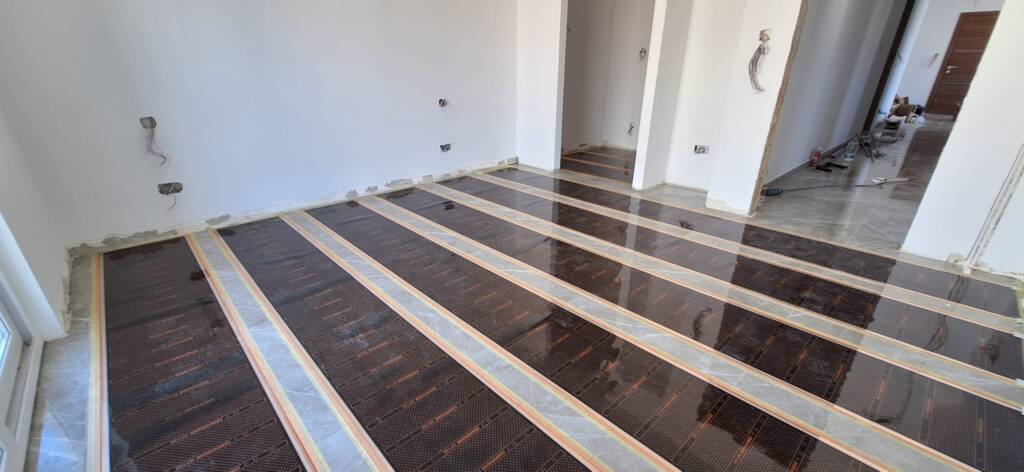
One of the standout features of PTC underfloor heating is its ease of installation. Unlike traditional systems that may require extensive pipework and screeding, PTC heating foils are thin and flexible, allowing for direct placement under various flooring types. This design minimizes the need for significant structural changes, making it particularly suitable for both new constructions and renovations.
For instance, systems like the Uponor Siccus Mini radiant underfloor heating system boast a low construction height of just 15 millimeters, enabling installation over existing floors without the need for removal. This not only reduces installation time but also minimizes disruption and mess during the process
Compatibility with Various Flooring Types
PTC underfloor heating systems are versatile and can be installed under a wide range of flooring materials, including:
- Laminate
- Hardwood
- Vinyl
- Carpets
- Tiles
This flexibility allows homeowners to choose their preferred flooring without compromising on the benefits of underfloor heating.
Advantages Over Traditional Systems
Traditional underfloor heating systems often involve complex installations, including laying pipes and applying screed, which can be time-consuming and labor-intensive. In contrast, PTC systems eliminate the need for such extensive work. The dry installation method associated with PTC heating reduces labor costs and accelerates the setup process. Additionally, the absence of wet trades means there’s no waiting time for materials like screed to dry, allowing for immediate use of the heated floor.
Energy Efficiency and Safety
The self-regulating nature of PTC heating foils ensures that the system operates efficiently, consuming only the necessary amount of electricity to maintain the desired temperature. This not only leads to energy savings but also enhances safety by preventing the system from overheating.
Conclusion
PTC underfloor heating systems represent a significant advancement in home heating solutions, combining efficiency with ease of installation. Their compatibility with various flooring types, minimal installation requirements, and energy-saving features make them an attractive option for homeowners seeking comfort without the complexities associated with traditional underfloor heating systems.